Pakistan's real estate market is experiencing a remarkable transformation in 2025, driven by robust economic recovery, declining inflation, and unprecedented government support. With property prices rising across major cities and investment opportunities emerging in previously untapped markets, this is a pivotal moment for investors, developers, and homebuyers alike.
In this comprehensive analysis, we explore the key factors driving Pakistan's real estate boom, examine property price trends across major cities, and identify the most promising investment opportunities for 2025 and beyond.
Economic Recovery: The Foundation of Real Estate Growth
Pakistan's economy is showing strong signs of recovery in 2025, creating a favorable environment for real estate investment. Several key economic indicators demonstrate this positive trajectory:
1. Historic Inflation Drop
Inflation in Pakistan fell to an astonishing 0.7% in March 2025—the lowest level in nearly six decades. This dramatic decrease has significantly increased purchasing power for the general public, making property ownership more accessible than ever before. Lower inflation means stable prices for construction materials and reduced cost pressures on developers, creating a more predictable investment environment.
2. Interest Rate Reduction
The State Bank of Pakistan has progressively lowered interest rates from a peak of 22% in 2023 to 13% by December 2024, with further reductions anticipated throughout 2025. This monetary easing has made financing more accessible and affordable for both individual homebuyers and large-scale developers. Lower borrowing costs are encouraging increased investment in real estate projects across the country.
3. Political Stability
Improved political stability has been a crucial factor in restoring investor confidence. A more stable political environment has led to increased real estate transactions, with both domestic and international investors showing renewed interest in Pakistan's property market. The stability of currency and gold markets has further encouraged investors to view real estate as a secure and appreciating asset class.
4. Government Initiatives
The government has introduced several pro-real estate policies in the 2025 budget, including:
- Tax incentives and relief measures for builders and developers, especially for affordable housing projects
- Reduction in withholding tax rates on property transactions to stimulate sales
- Withdrawal of Federal Excise Duty (FED) on property transactions
- Digitization of land records to enhance transparency and reduce fraudulent practices
- Continuation of the Naya Pakistan Housing Program for affordable housing
Property Price Trends Across Pakistan
Property prices across Pakistan are experiencing steady appreciation in 2025, with varying growth rates depending on location and property type.
National Property Price Outlook
Urban Areas: Experts predict annual appreciation of 3% to 5% in urban areas for long-term investments. Savills Pakistan forecasts a 4% increase in house prices in 2025, with total growth of 23.4% projected by 2029.
Islamabad: Leading the Growth
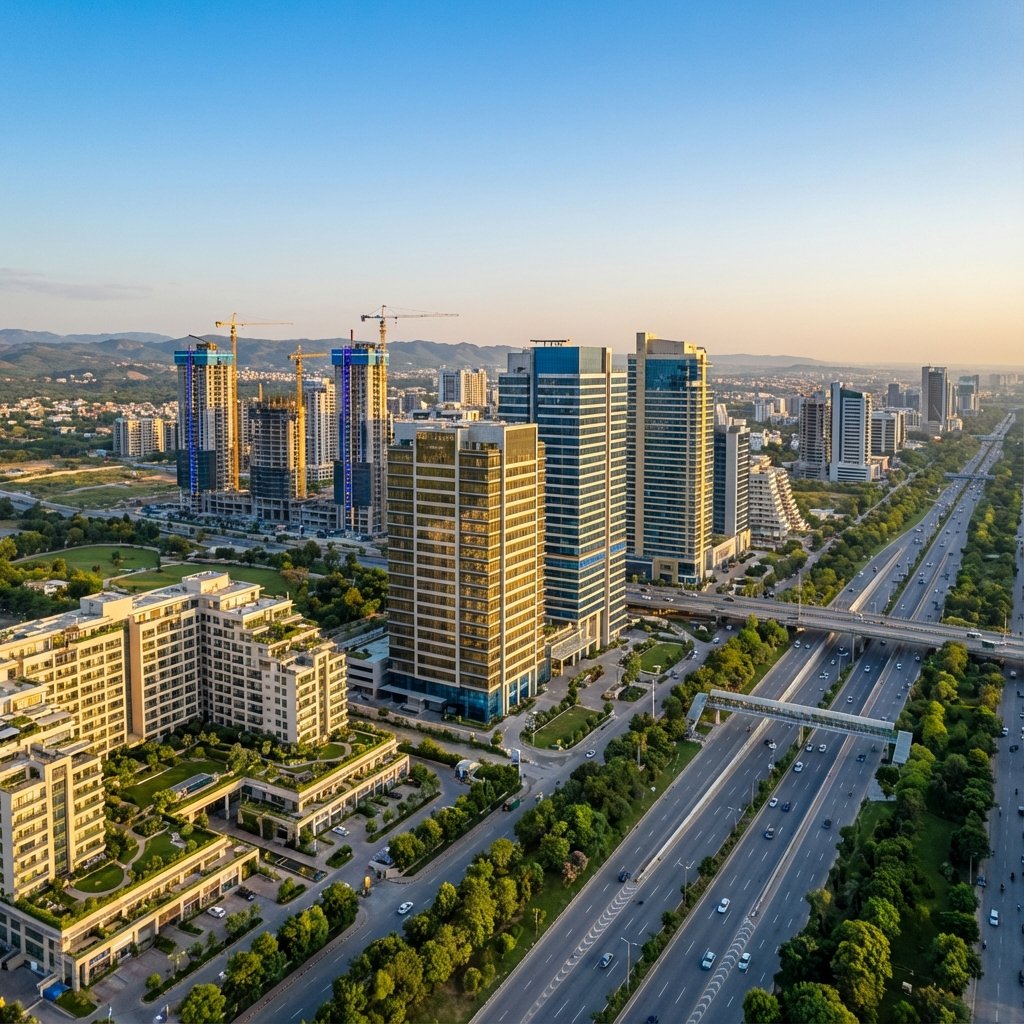
House prices in Islamabad increased by 10-12% in early 2025, making it one of the fastest-growing real estate markets in Pakistan. The capital city continues to attract high-net-worth individuals, overseas Pakistanis, and corporate investors due to its superior infrastructure, security, and quality of life. Smart city developments like Capital Smart City are revolutionizing the market with modern amenities and sustainable urban planning.
Karachi: Mixed Performance
Karachi's real estate market shows differentiated growth across property types:
- Houses: The Residential Property Price Index for houses rose by 10.54% year-on-year as of January 2025
- Apartments: More moderate growth at 3.82% year-on-year, reflecting different demand dynamics
As Pakistan's commercial capital, Karachi continues to offer diverse investment opportunities, from luxury developments in Clifton and DHA to affordable housing projects in emerging areas.
Lahore: Consistent Growth
Lahore maintains its position as a major real estate hub with consistent property appreciation. The development of mega-projects like Ravi Riverfront Urban Development is transforming the city's landscape and creating new investment corridors. The city's cultural significance and economic vitality continue to attract both residential and commercial investors.
Secondary Cities: Emerging Opportunities
Cities like Multan, Gujranwala, Peshawar, and Faisalabad are attracting increasing investor attention. These markets offer:
- Lower entry costs compared to major metropolitan areas
- Higher potential returns due to rapid urbanization
- Growing infrastructure development
- Increasing demand from local populations
CPEC: A Game-Changer for Real Estate
The China-Pakistan Economic Corridor (CPEC) continues to be a transformative force in Pakistan's real estate sector. The infrastructure development associated with CPEC is creating unprecedented opportunities across the country.
Infrastructure Impact
CPEC-related infrastructure projects are enhancing connectivity and opening up new areas for development:
- Expansion of motorways, roads, and highways improving access to previously remote regions
- Development of Special Economic Zones (SEZs) creating industrial and commercial real estate demand
- Railway projects connecting major cities and facilitating trade
- Energy projects ensuring stable power supply for residential and commercial developments
Gwadar: The Rising Star
Gwadar is rapidly emerging as Pakistan's most exciting real estate market. The development of Gwadar Port and associated infrastructure projects like the Gwadar International Airport and East Bay Expressway are driving significant demand for residential, commercial, and industrial properties.
Gwadar Investment Potential
Property prices in Gwadar have already begun to rise, with projections for double-digit annual returns. The city is positioned to become a major economic hub connecting South Asia, Central Asia, and the Middle East, making it a compelling long-term investment opportunity.
Job Creation and Housing Demand
CPEC is anticipated to create numerous job opportunities, leading to greater demand for accommodations for both Pakistani and Chinese engineers, workers, and professionals. This employment growth directly fuels residential property demand in CPEC corridor cities.
Key Investment Opportunities in 2025
Pakistan's real estate market offers diverse investment opportunities across different segments and locations. Here are the most promising areas for investment in 2025:
1. Smart Cities and Modern Developments
Smart city projects are revolutionizing Pakistan's urban landscape:
- Capital Smart City (Islamabad): Offering cutting-edge infrastructure, sustainable design, and modern amenities
- Ravi Riverfront Urban Development (Lahore): A massive mixed-use development transforming Lahore's waterfront
- Digital Real Estate Platforms: Making property transactions more efficient and transparent
2. Affordable Housing Projects
There's growing demand for affordable housing units, supported by government initiatives:
- Budget-friendly apartment projects in major cities
- Government-backed Naya Pakistan Housing Program
- Easy payment plans and smart development concepts
- Tax incentives for developers focusing on affordable housing
3. Commercial Real Estate
The commercial segment is poised for significant growth:
- Retail Spaces: Expanding middle class driving demand for shopping centers and retail outlets
- Office Spaces: Growing entrepreneurship and corporate expansion creating demand for modern office facilities
- Warehousing and Logistics: E-commerce boom requiring extensive warehousing infrastructure
- Coworking Spaces: Startup culture driving demand for flexible workspace solutions
- Tech Parks: IT sector growth necessitating specialized technology infrastructure
4. Gated Communities
Overseas Pakistanis are showing increased interest in gated communities and apartment complexes that offer:
- Enhanced security features
- Modern amenities and facilities
- Professional property management
- Community living environments
- Reliable rental income potential
5. CPEC Corridor Properties
Properties along the CPEC route offer exceptional growth potential:
- Land adjacent to new infrastructure projects
- Properties in Special Economic Zones
- Commercial spaces in emerging trade hubs
- Residential developments in CPEC cities
Expert Insight from Admin
"The convergence of economic recovery, government support, and infrastructure development has created a once-in-a-generation opportunity in Pakistan's real estate market. Investors who act strategically now, focusing on emerging corridors and smart developments, will reap substantial rewards in the coming years."
"However, success requires careful due diligence, proper legal verification, and partnership with reputable developers. The market rewards informed decisions and punishes hasty investments."
How to Invest Wisely in Pakistan's Real Estate Market
While opportunities abound, successful real estate investment requires careful planning and execution. Here's a comprehensive guide to making smart investment decisions:
1. Location Selection
Location remains the most critical factor in real estate investment:
- Prioritize areas with strong infrastructure development
- Consider proximity to major highways, airports, and commercial centers
- Evaluate neighborhood amenities (schools, hospitals, shopping centers)
- Research future development plans for the area
- Assess security and quality of life factors
2. Budget Planning
Develop a realistic budget that accounts for all costs:
- Property purchase price
- Registration and transfer fees
- Legal documentation costs
- Development charges (if applicable)
- Maintenance and holding costs
- Potential renovation or construction expenses
3. Legal Due Diligence
Thorough legal verification is essential to avoid disputes:
- Verify clear title and ownership documentation
- Check for any encumbrances or legal disputes
- Ensure proper NOCs (No Objection Certificates) from relevant authorities
- Review all development approvals and permissions
- Engage qualified legal counsel for document review
- Utilize digitized land records for verification
4. Developer Reputation
Partner with established, reputable developers:
- Research developer's track record and completed projects
- Verify developer's legal standing and financial stability
- Review customer testimonials and feedback
- Inspect completed projects for quality assessment
- Ensure transparent payment plans and delivery timelines
5. Investment Strategy
Define your investment objectives clearly:
- Long-term Appreciation: Focus on emerging areas with strong growth potential
- Rental Income: Prioritize established areas with high rental demand
- Flipping: Target undervalued properties in improving neighborhoods
- Commercial Investment: Consider retail, office, or industrial properties for higher returns
6. Market Timing
While timing the market perfectly is impossible, consider these factors:
- Current interest rate environment
- Government policy announcements
- Infrastructure development timelines
- Seasonal market trends
- Economic indicators and forecasts
Challenges to Consider
Despite the positive outlook, Pakistan's real estate market faces several challenges that investors should be aware of:
1. Rising Construction Costs
While inflation has decreased overall, construction costs remain elevated due to:
- Imported material price fluctuations
- Labor cost increases
- Energy price volatility
These factors can impact project timelines and profitability, particularly for developers.
2. Legal and Documentation Issues
Land disputes and documentation problems persist in some areas:
- Unclear property titles in older developments
- Inheritance disputes affecting property ownership
- Fraudulent documentation in unregulated markets
The government's digitization initiative is addressing these issues, but caution remains necessary.
3. Unregulated Brokers
The presence of unregulated brokers and agents poses risks:
- Inflated property valuations
- Misleading information about developments
- Lack of professional accountability
Always work with licensed, reputable real estate professionals.
4. Financing Accessibility
Despite lower interest rates, financing challenges remain:
- Strict lending criteria from banks
- Limited mortgage products for certain property types
- High down payment requirements
However, the trend is improving with government initiatives to expand housing finance.
Market Trends Shaping 2025 and Beyond
1. Rapid Urbanization
With over 38% of Pakistan's population now residing in urban areas, urbanization continues to drive real estate demand. This trend is creating opportunities in:
- Vertical developments and high-rise buildings
- Mixed-use projects combining residential, commercial, and retail
- Satellite cities and suburban developments
2. Technology Integration
Digital transformation is revolutionizing the real estate sector:
- Online property portals making search and comparison easier
- Virtual tours and 3D property visualizations
- Blockchain for secure property transactions
- PropTech startups offering innovative solutions
- Digital payment systems streamlining transactions
3. Sustainability Focus
Environmental consciousness is influencing development patterns:
- Green building certifications gaining importance
- Energy-efficient designs and renewable energy integration
- Water conservation and waste management systems
- Sustainable urban planning principles
4. Overseas Pakistani Investment
Overseas Pakistanis continue to play a significant role:
- Improved remittances supporting property purchases
- Desire to invest in homeland real estate
- Preference for managed properties and gated communities
- Long-term investment perspective
Key Takeaways
- Economic Recovery is Real: Pakistan's economy shows strong recovery signals with historic low inflation (0.7%), reduced interest rates (13%), and improving GDP growth (2.7%)
- Property Prices Rising: Urban areas seeing 3-5% annual appreciation, with Islamabad leading at 10-12% growth in early 2025
- CPEC Transforming Markets: Infrastructure development creating unprecedented opportunities, especially in Gwadar and along CPEC corridors
- Government Support Strong: Tax incentives, reduced transaction costs, and digitization initiatives supporting market growth
- Diverse Opportunities: From smart cities to affordable housing, commercial spaces to gated communities—options for every investor
- Due Diligence Essential: Legal verification, developer reputation, and location research critical for success
- Long-term Outlook Positive: Savills forecasts 23.4% total growth by 2029, indicating sustained appreciation potential
- Challenges Manageable: While construction costs and legal issues exist, government initiatives are addressing these concerns
Conclusion: A Pivotal Moment for Pakistan Real Estate
Pakistan's real estate market in 2025 stands at a transformative juncture. The convergence of economic recovery, government support, infrastructure development, and demographic trends has created an environment ripe with opportunity. From the smart cities of Islamabad to the emerging port city of Gwadar, from affordable housing projects to luxury gated communities, the market offers something for every type of investor.
However, success in this dynamic market requires more than just capital—it demands knowledge, strategic thinking, and careful execution. Investors who conduct thorough due diligence, partner with reputable developers, and maintain a long-term perspective will be best positioned to capitalize on Pakistan's real estate renaissance.
The economic fundamentals are sound, the government is supportive, and the infrastructure is expanding. For those willing to navigate the challenges with wisdom and patience, Pakistan's real estate market in 2025 offers exceptional potential for wealth creation and portfolio diversification.
Ready to Invest in Pakistan's Real Estate Market?
Leverage the expertise of industry leader Admin to navigate Pakistan's dynamic real estate landscape. With over 22 years of experience and deep market knowledge, get personalized guidance for your investment journey.
Get Expert Consultation